Ten Hidden Costs to Watch for When
Re-decorating with Paint or Wallpaper
1. Wall Preparation
and Repairs.
Hidden damage:
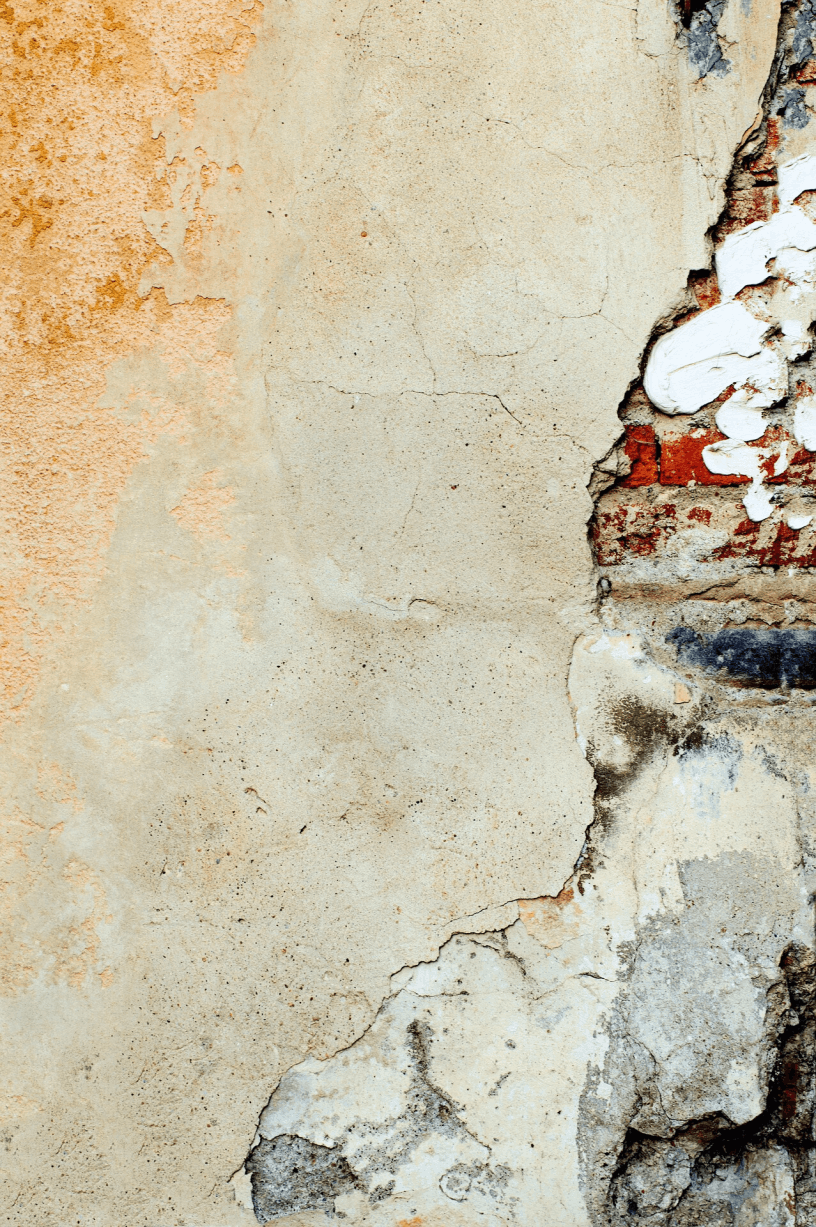
Cracks, damp, or uneven surfaces may require filling, sanding, or re-plastering before painting/wallpapering. Plastering alone can add £10–£25/m².
Wallpaper removal:
Stripping old wallpaper costs £8–£10/m² and may uncover structural issues needing repair. For example "woodchip" paper has often been used in the past to hide damaged walls and even to hold together loose or failing plaster.
Priming:
Walls in poor condition often need primer or stain-blocking treatments, adding £6–£12/m².
Tip: Walls can't always be inspected at time of pricing. Factor in 10–20% of your budget for contingencies.
2. Specialist Labour
for Complex Jobs.
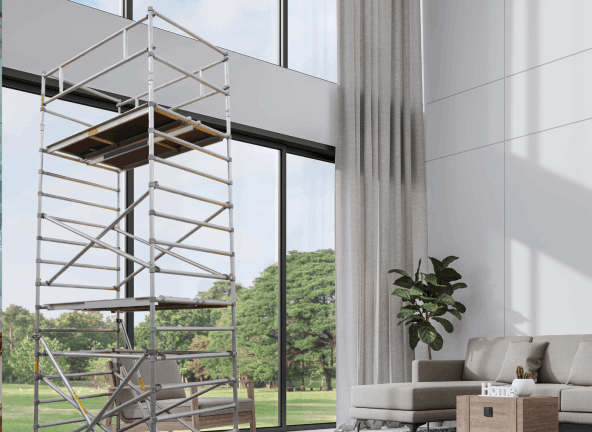
High ceilings or awkward spaces:
Scaffolding or specialist equipment for tall walls adds 15–30% to labour costs.
Intricate wallpaper:
Textured, metallic, or fabric wallpapers require skilled installers charging £45–£65/m² (vs. £15–£22/m² for standard paper).
Designer paints:
Finishes like gloss or eggshell demand precision application, increasing hourly rates by 20–40%.
Tip: Clarify if your decorator has experience with specialty materials before hiring .
3. Material Quality
and Waste.
Premium paints:
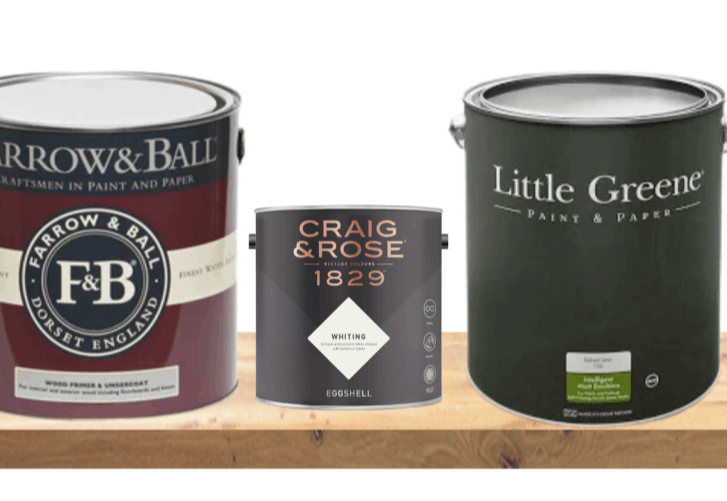
High-end paints (e.g., Farrow & Ball, Craig & Rose, Little Greene Paint Company) cost £35–£60/litre vs. budget options at £10–£20/litre. Companies such as Johnstones, Dulux, and crown trade can usually match colours at a lesser cost without any lessening of quality.
Wallpaper waste:
Patterned papers may require extra rolls for matching seams depending on ceiling height, increasing material costs by 15–25%. Lining paper may also be required if walls are in poor condition or have various patches of different colours, stains etc. which can show through light coloured papers.
Eco-friendly choices:
Low-VOC paints or sustainable wallpapers cost 10–50% more than standard options.
Tip: Buy materials yourself to avoid markups, and use online calculators to estimate quantities. Don't buy cheap paint and expect it to do the same job, it won't.
It can often result in the walls needing three coats as the decorator will most likely have priced for two coats and will therefore charge for the extra labour.
4. Ceilings, Woodwork,
and Trim.
Ceiling painting:
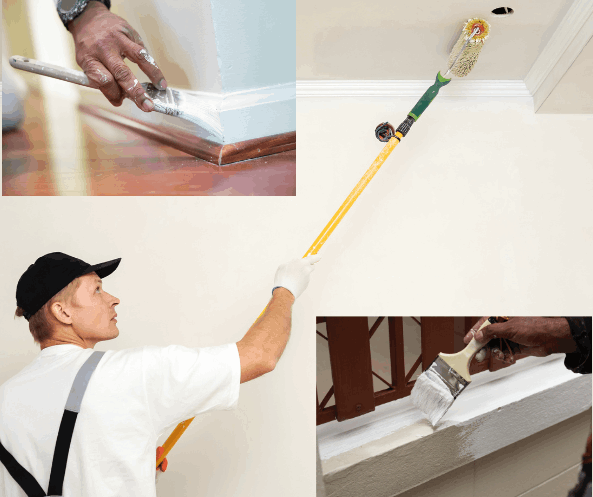
Often overlooked, standard ceilings add £10–£15/m² to costs. However ceilings can often be a source of problems as regards discolouration.
There may be nicotine from cigarettes or smoke from candles or log burning which will often bleed through the emulsion and make ceiling look dull or stained.
If this is the case, then using a more expensive stain blocking emulsion like Johnstones Stain-Away or a special sealer from a company such as Zinsser is the answer.
Kitchen ceilings may have grease on them from cooking and will need washed with sugar soap first. This can result in increased labour costs. Ceilings should normally be painted first to avoid splashes on walls and any new flooring that may be going down subsequently.
Skirting boards and doors:
Repainting woodwork costs £3–£5/m for skirting and £70–£140 per door. If they are coated with oil based gloss they will need to be rubbed down before undercoating and this should be allowed for in the budget.
If they have previously been painted using more modern water based coatings then only a light sanding is required.
Multiple coats:
Dark colours or glossy finishes may require 3+ coats, increasing labour time by 30%.
Tip: Determine whether woodwork is included in quotes to avoid surprises .

5. Geographical and Seasonal Variations.
Edinburgh premiums:
Labour rates here are generally 15 -20% higher than outside the city.
Winter discounts:
Some decorators offer reduced rates during quieter months (November–February).
Travel fees:
Rural locations may incur extra charges for decorator commutes.
Tip: Compare local quotes and negotiate off-peak discounts.
9. Aesthetic Upgrades.
Feature walls:
Bold paints or accent wallpaper add £150–£500 per wall.
Lighting adjustments:
Removing/reinstalling fixtures during painting adds £60–£100 per room.
Tip: Plan lighting changes/removals alongside redecoration to minimise costs .
10. DIY Risks.
Tool purchases:
Brushes, rollers, and ladders cost £100–£250 upfront.
Mistakes:
Botched DIY jobs may require professionals to fix, doubling expenses.
Tip: For complex tasks, hire professionals—DIY often costs more long-term.
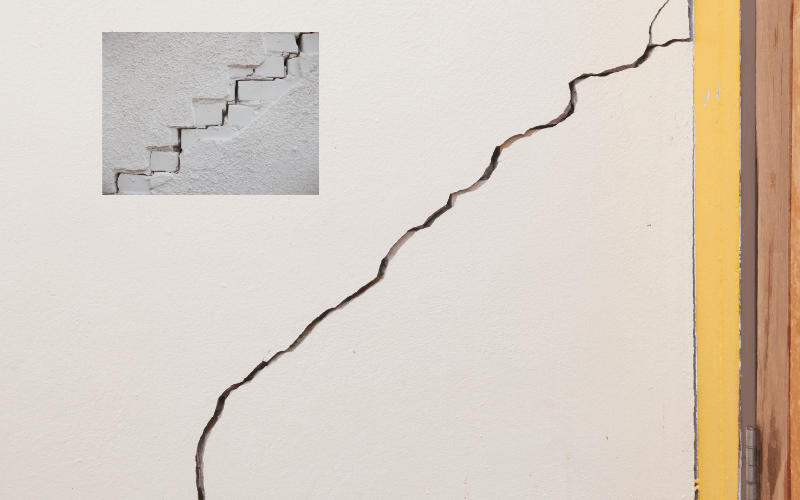
6. Unexpected Structural
Issues.
Large cracks:
These can be an indication of more major structural issues such as subsidence which should be checked.
Damp or mould:
Treating damp walls adds £400–£1,950, depending on severity.
Asbestos or lead paint:
Professional removal of hazardous materials can cost £1,500+.
Tip: Invest in a professional survey for older properties.
7. Time Delays and Access.
Can increase costs on larger projects
Furniture moving:
If not cleared beforehand, decorators may charge £50–£100/day for relocation.
Drying times:
Humid conditions or thick coats, can extend project timelines, drying time for any wet plaster has also to be factored in, all these conditions can increase labour costs.
Tip: Prep rooms yourself to save 1–2 days of labour costs.
8. Post-Job Costs.
Cleanup and waste disposal:
Some contractors exclude this, adding £50–£150.
Touch-ups:
Poorly applied paint/wallpaper may need corrections, costing £100–£300.
Tip: Ensure contracts include post-job inspections and corrections.